Life insurance usually feels pretty straightforward until someone mentions “return of premium.” Then people stop for a second and think, wait… so I might actually get my money back later?
That question is exactly why this kind of policy gets attention. A Return Of Premium Life Insurance Policy Is basically a version of term life insurance that may refund qualifying premiums if the policyholder stays alive through the full term. The catch is that the monthly cost is often noticeably higher than regular term coverage. Before agreeing to any long-term contract, many people spend time reading broader return policy information and policy details carefully because the fine print matters more than advertisements sometimes suggest.
Why people suddenly get interested in this policy type
For a lot of buyers, the appeal is emotional before it is financial.
Traditional life insurance can feel strange psychologically. You pay for years hoping your family never actually needs to use it. Some people are perfectly fine with that. Others keep thinking about all the money leaving their account every month.
That is where return-of-premium policies start sounding attractive.
The refund idea catches attention quickly
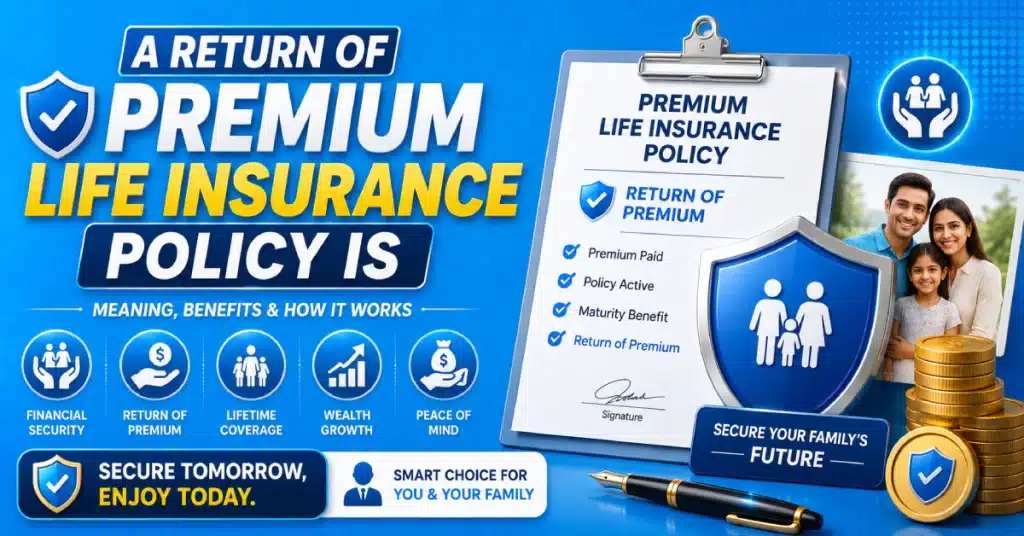
A Return of premium Life Insurance Policy is designed around one simple promise people remember easily: if the policy finishes successfully, the insurer may refund eligible premiums paid during the term.
Many families may find that pretty comforting and reassuring.
Many long-term policyholders like knowing their premiums might not just disappear without any return in the future. Parents especially tend to ask about these policies once kids arrive and long-term budgeting suddenly feels more serious.
According to Insurance Information Institute resources, return-of-premium coverage generally costs more because of the built-in refund feature attached to the policy.
It sounds simpler than it actually is
This is where people sometimes get confused.
The refund is not always automatic under every situation. Policies usually include conditions involving:
- keeping the policy active
- making payments on time
- completing the full term
- avoiding cancellation
One thing buyers often overlook is how long these terms can last. Twenty or thirty years sounds manageable during signup, but life changes constantly. Job situations shift. Budgets tighten. Priorities move around.
How these policies usually work in real life
At its core, this is still life insurance first.
The policy provides a death benefit during the active term, just like standard term life insurance. If the insured person passes away while coverage is active, beneficiaries may receive the payout.
You still get regular life insurance coverage
A Return Of Premium Life Insurance Policy Is not some completely separate insurance category. It behaves a lot like traditional term coverage during the policy years.
The difference mostly appears at the end of the term.
Here is a simple comparison:
| Policy Type | Monthly Cost | Refund Possibility |
| Standard Term Life | Lower | No |
| Return of Premium Life | Higher | Yes, if conditions are met |
Some families genuinely like the predictability of that setup even though the monthly premiums are higher.
The refund only happens under certain conditions
People sometimes assume the refund works no matter what happens. Usually, it does not.
If the policy lapses because payments stop, the refund benefit may disappear completely. That surprises people later because early sales conversations sometimes focus more on the “money back” part than the conditions attached to it.
For readers comparing contract structures and refund and exchange details in different industries, insurance policies honestly follow similar patterns. The attractive feature usually comes with extra rules somewhere in the agreement.
The tradeoff many buyers notice later
The higher monthly payment is where reality starts hitting harder for some households.
At first, the refund feature feels exciting. Then people compare premium quotes side by side and realize the difference can become significant over decades.
Monthly payments are usually higher
This is probably the biggest downside.
A Return Of Premium Life Insurance Policy Is often far more expensive than standard term life insurance because the insurer potentially returns premiums later.
For some buyers, the higher payment still feels worth it emotionally. Others decide they would rather:
- buy cheaper term insurance
- invest the savings separately
- keep monthly expenses lower
Neither approach is automatically wrong. It depends heavily on personality and financial habits.
Some people eventually stop the policy early
This happens more than advertisements usually mention.
People start policies with good intentions, then life gets complicated. Mortgage costs rise. Kids need braces. Someone changes jobs unexpectedly. Suddenly the expensive premium no longer feels manageable.
That becomes frustrating because canceling early may remove the refund feature entirely.
People researching long-term financial commitments sometimes compare these ideas with things like the Costco return policy guide simply because consumers naturally prefer agreements that feel flexible and refundable.
Situations where return of premium insurance may fit well
Even with the higher cost, this type of policy still makes sense for some people.
It especially appeals to buyers who value predictability and dislike uncertainty around “unused” premiums.
Families wanting temporary protection
Parents often buy this type of coverage during years when financial responsibilities feel heavy.
That may include:
- raising children
- paying mortgages
- covering college plans
- reducing long-term debt
The idea is simple. If nothing tragic happens during those financially stressful years, the policyholder may recover qualifying premiums later.
Buyers who dislike “wasted” premiums
Honestly, this emotional factor matters more than many financial experts admit.
Some people simply hate paying for something they never directly use. Traditional insurance can feel unsatisfying to them because healthy outcomes mean the policy expires unused.
A Return Of Premium Life Insurance Policy Is attractive partly because it softens that feeling psychologically, even if the math is not always perfect financially.
Things people misunderstand all the time
The biggest misunderstanding usually involves the word “return.”
People hear it and immediately think of profit.
Refunds are not the same as investment returns
A refunded premium is generally not the same thing as strong investment growth.
Inflation changes purchasing power over time too. Money returned twenty years later may not feel as valuable as people originally expected during signup.
That does not automatically make the policy bad. It just means buyers should view it primarily as protection rather than an investment strategy.
For people wanting broader explore refund and exchange guides before signing financial agreements, understanding long-term costs matters more than catchy sales wording.
Comparing regular term life with return of premium plans
Standard term life insurance remains simpler and cheaper in many cases.
Return-of-premium coverage mainly appeals to people comfortable paying extra in exchange for the possibility of getting premiums returned later. Some families love that setup. Others would rather keep insurance costs lower and handle investing separately.
According to Forbes Advisor’s explanation, affordability over the full policy term matters just as much as the refund feature itself.
What to think about before signing anything
A Return Of Premium Life Insurance Policy Is not automatically good or bad. The real question is whether the higher premium actually fits comfortably into long-term finances.
People sometimes focus so much on the future refund that they forget they still need to comfortably afford the policy every month for many years.
Reading policy terms carefully matters. So does asking questions about cancellation rules, refund eligibility, and payment flexibility before signing.
Many consumers also browse helpful shopping guides because comparing contracts carefully usually prevents regret later.
Conclusion
A Return Of Premium Life Insurance Policy Is appealing because it combines life insurance coverage with the possibility of getting premiums returned later. That refund feature gives some buyers peace of mind, especially families trying to balance protection with long-term budgeting concerns.
Still, the higher monthly cost changes the equation quite a bit. Some people love the predictability, while others prefer lower-cost term insurance and separate investments instead.
Before committing to any long-term policy, it helps to read the latest refund updates and compare the real costs carefully rather than focusing only on the “money back” promise.
Frequently Asked Questions
Does a return of premium policy really give all the money back?
Usually it refunds eligible premiums paid during the term if all policy conditions are met and the coverage stays active the entire time.
A Return Of Premium Life Insurance Policy Is more expensive than regular term life?
Yes, in most situations the monthly premiums are noticeably higher because of the refund feature attached to the policy.
Can I lose the refund if I cancel early?
Sometimes yes. Many policies reduce or completely remove the refund benefit if coverage ends before the full term finishes.
Is this type of insurance a good investment option?
Not really in the traditional investment sense. Most people buy it for protection and the psychological comfort of potential premium refunds later.
Who usually buys return of premium life insurance?
Families with stable incomes and buyers who dislike the idea of “unused” insurance premiums often show the most interest in these policies.
Do all insurers offer the same refund terms?
Different insurance providers charge costs and have different cancellation or refund guidelines.
Comparing insurance policies properly today can save a lot of money and stress later when unexpected life changes happen.